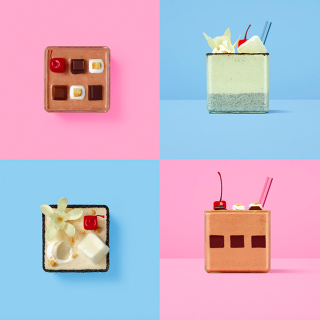
Artists and designers typically master the power of cohesive color palettes. This seemingly overlooked area of study can also provide account managers and retailers with insights into the art of shopper persuasion.
Whether the shopper is browsing a brick-and-mortar store environment or trawling the web for their next hot purchase, the visual cues they find strongest and most persuasive is color. Recognizing how color influences shoppers sheds light on the human cognition process from a strategic and creative perspective.
Neuroscientist Bevil Conway examined neural processing of colors and suggested that the brain includes specialized clusters of neurons that primarily tune to red, followed by green, and then blue, with a small proportion of cells caring about yellow. These clusters of neurons act as a mechanism that further signals behavioral experiences and emotions. With 93% of consumers placing visual appearance above other factors when shopping, marketers’ ability to understand how humans are hardwired to respond to color could convert potential buyers into lifelong customers.
To make visual appearances even more complicated, the success of a retailer in turning shoppers to buyers is not only influenced by the chosen color palette, but by whether the scheme is appropriate for the intended target audience. Conway’s study revealed that shoppers are conditioned to be visually stimulated and that perceptions are shaped by the viewer’s expectations, cognitive development, experiences, and varied cultural exposures. Hence, understanding the fascinating neuroscience of color in coordination with understanding target market wants, needs, and shopper behavior is imperative to positive brand and retailer ROI.

Conway Hue Study 2007


 Shoppers want more and more every year. More transparency, more value and more connection to the brands they like.